
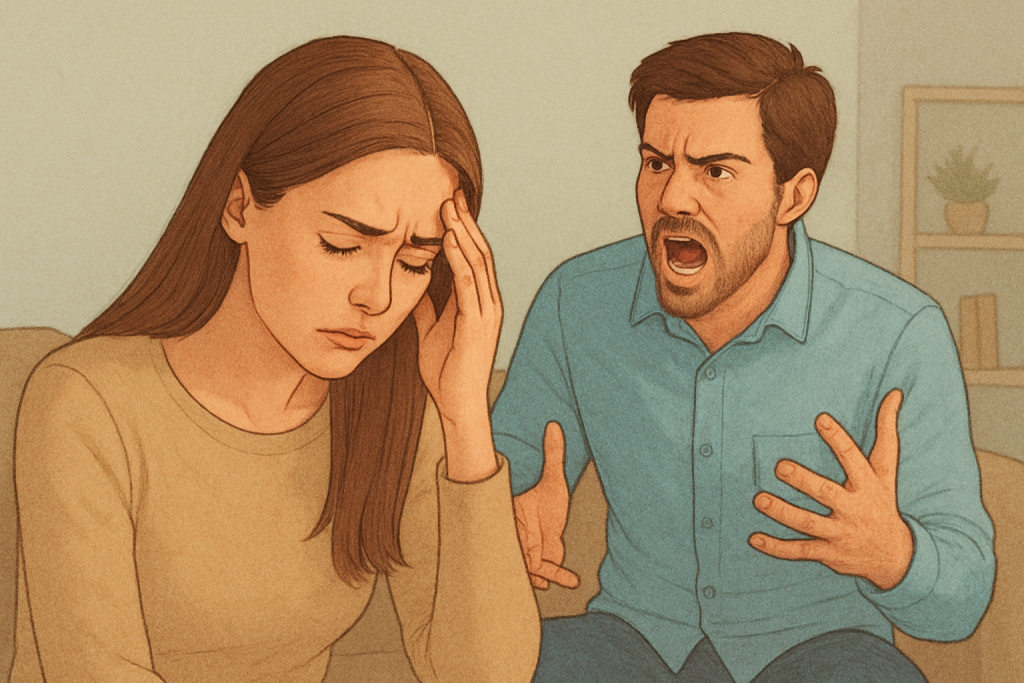
Why do you keep ending up in toxic relationships? You vow you’ll never go back to someone who mistreats you… but six months later, you’re in the same cycle. New face. Same pain.
Here’s the truth: It isn’t bad luck. It isn’t that you’re “doomed.” Your attachment wounds are silently steering your choices. Unless you understand how they warp your nervous system and your expectations, you’ll keep repeating heartbreak over and over.
Today, I’ll show you:
Attachment Wounds That Keep You Stuck in Toxic Relationships

Have you ever asked yourself:
You’re not alone. At night, you may wonder if something is wrong with you. Maybe you don’t deserve real love. Maybe this is all you’ll ever get.
You feel trapped—like no matter how hard you try, your body drags you back into familiar pain. You feel ashamed for tolerating what you promised you wouldn’t. Deep down, you’re terrified: What if this is it?
You’re not weak. You’re not broken. These cycles aren’t about failure — they’re about wounds that were never healed.
I’m Adam Lane Smith, The Attachment Specialist. Over the past 16+ years, I’ve helped thousands of people identify and rewire the attachment patterns keeping them stuck in toxic cycles. I’ve seen heartbreak, repetition, and despair — and also seen people break through, heal, and build love that lasts.
Once you see how your wounds formed and how they drive your choices, you stop blaming you, and you start making lasting change.
By the end, you’ll:
Attachment Wounds That Keep You Stuck in Toxic Relationships
In the middle, I’ll also invite you to take a quiz identifying your attachment style — your hidden sabotager. Once you see it, you can’t unsee it.
To break free, you must go back to where it started.
These are common childhood dynamics that shape toxic attachment:
When you grow in those environments, your nervous system learns danger instead of safety. Your brain primes for survival, not softness.
Science backs this: Adverse Childhood Experiences (ACEs) alter brain wiring. The amygdala becomes overactive (fear center), and the prefrontal cortex (regulation) lags behind. That means your body stays “on edge” even decades later.
These experiences don’t vanish. They morph into silent drivers — beliefs, expectations, triggers — that shape all your relationships.
Wounds turn into beliefs. These become the invisible scripts you’re living by:
Psychologists call these maladaptive schemas — cognitive blueprints from childhood that filter how you interpret the world. So even when a safe partner shows up, your brain resists it. It feels foreign, unsafe.
So you stay tight. You guard. You test. You push away what you yearn for.
One of the cruelest effects of these wounds is that they train you to believe you are the problem.
Shame becomes your companion. Trauma wires the brain that self-blame = control. It’s safer to blame yourself than to confront a larger, scarring truth.
Neurologically, trauma over-activates the amygdala, locking you into a loop of fear and self-reproach.
Deep in the wound lies the messenger: “Love is real for other people… but not for me.”
This is learned helplessness. Your brain gives up hope in safety. Cortisol floods, oxytocin pathways shrink, and the nervous system settles into “expect danger.”
Once you believe love isn’t for you, you stop seeking safety. You choose damage because it feels familiar.
If you’ve felt stuck reading this — this is for you.
I created a quiz that uncovers which attachment pattern is silently sabotaging your love life. Most people are blind to their style. The quiz reveals what you can’t see.
Once you see your results, your past relationships make sense. You’ll have clarity you’ve never had.
Attachment Quiz
Don’t click yet — just know it’s coming. When you do take it, take a breath and hold space for whatever shows up.
Let me show you how powerful these wounds are — and how quickly change can begin.
I worked with someone who returned to the same partner six times over 15 years. Betrayal. Heartbreak. Repetition. Same hurt. Every time.
This wasn’t weakness. It was trauma bonding. Their brain had been conditioned to equate unpredictability with love.
What broke the loop?
They moved from chaos addiction to choosing comfort. They reclaimed trust in themselves — and then, in others.
Your next relationship doesn’t have to look like your past. You can train for safety, not suffering.
Healing doesn’t happen by chance. It begins with intention.
Most people wait for the “right person” to fix them. But security is built — step by step.
The 3 Pillars of Rewiring:
What your next relationship looks like:
What your friendships should look like:
You can’t wait for a perfect partner to start healing — you start now, in the relationships around you.
You are not doomed. You are untrained. Your binary wiring was built in pain, but it can be changed with practice.
I’ve seen anxious people find secure love. Avoidant men become present. Disorganized clients reassemble their identity. Their relationships heal — not magically, but with consistent structure.
Once you rewire, you stop chasing chaos. You stop blaming yourself. You begin attracting, expecting, and embodying the love you always deserved.
Now that you see the wounds that have been steering you, here’s how to begin your transformation:
If you’re serious about changing your patterns forever and not just for a while — coaching is how you do it.
private coaching
Because your wounds don’t have to define your future. You can train new wiring. You can love differently. You can be loved securely.
— Adam Lane Smith
How do I know which attachment wound is mine?
That’s what the quiz reveals. But you can also see signs: repeated choice of abusive partners, fearing abandonment, or emotionally pulling away. The patterns mirror your internal wound.
Can I rewire these wounds alone?
Some progress can happen solo, but deep change requires relational safety. Coaching, supportive relationships, and consistent practice are crucial.
How long does this take?
You’ll begin seeing small shifts in a month. Deeper transformation often occurs in 3–6 months with consistent application.
What if I’m already in a toxic relationship?
You can begin healing inside — even before leaving. You’ll gain clarity, boundaries, and the strength to act or heal within or outside that relationship.
Will doing the quiz change anything?
The quiz is the starting point. Awareness gives direction. It doesn’t heal by itself, but it unlocks what you need to focus on to begin healing with intention


